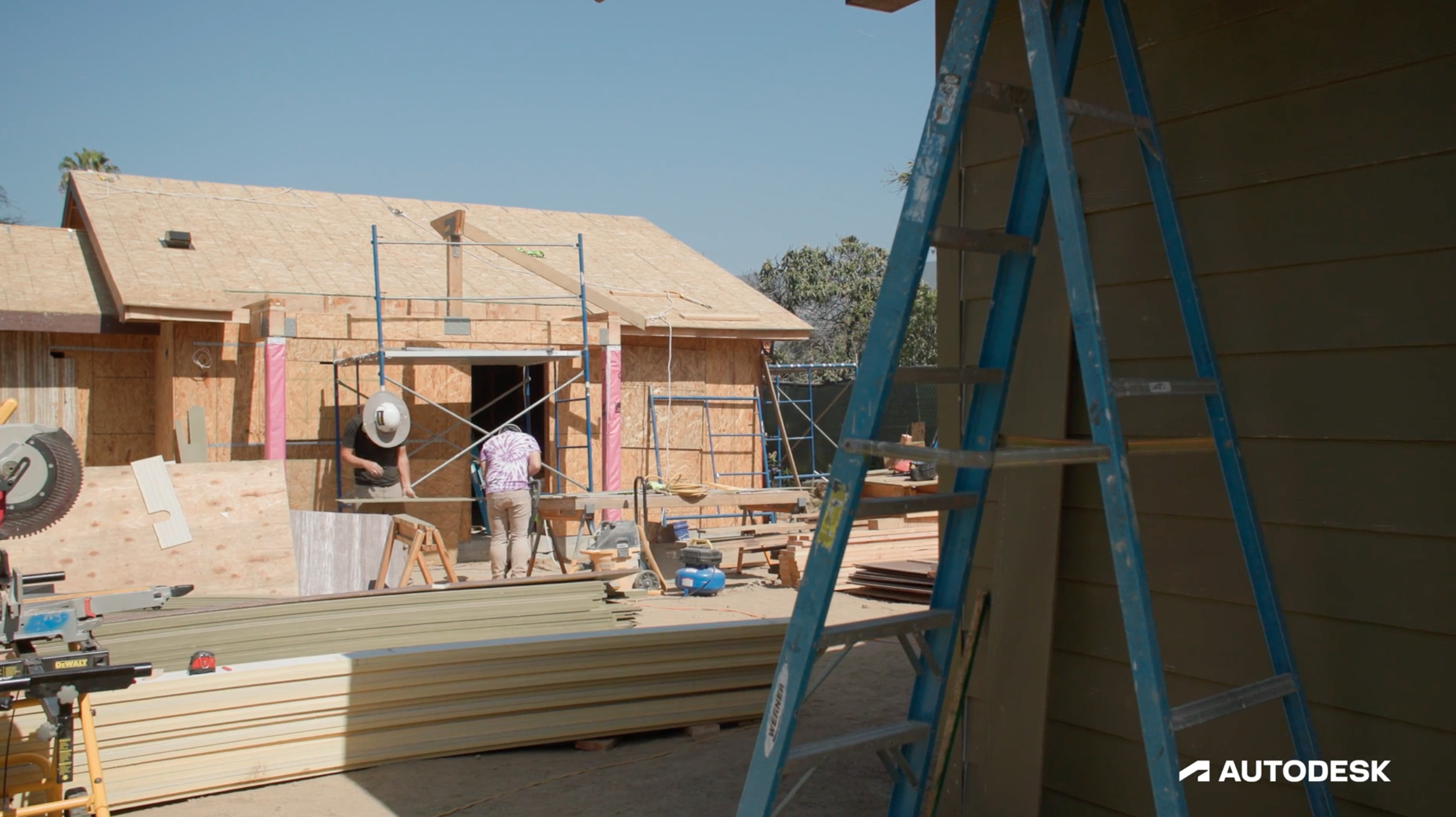
A check-in from the Foothill Catalog Foundation’s March site visit.
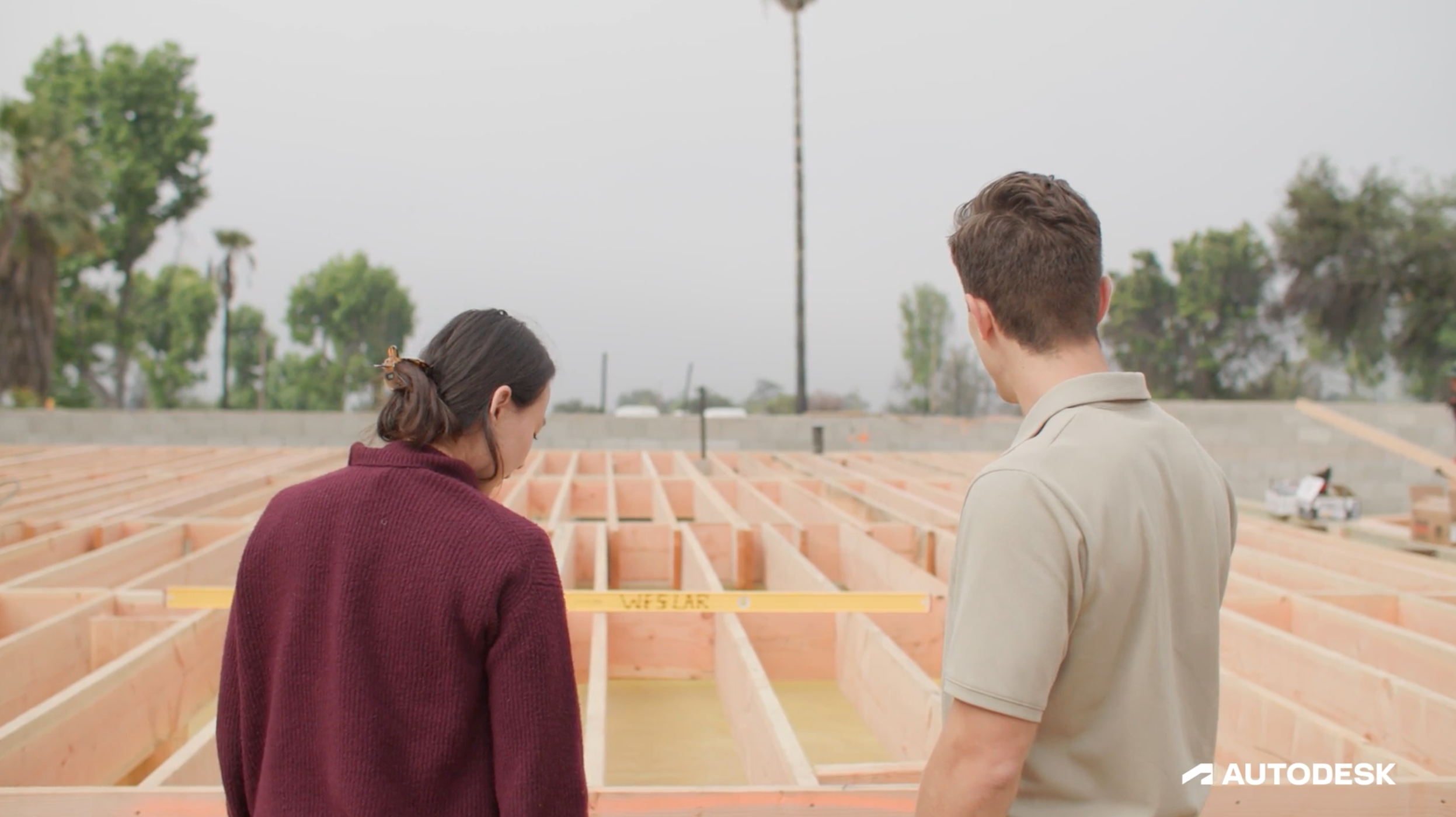
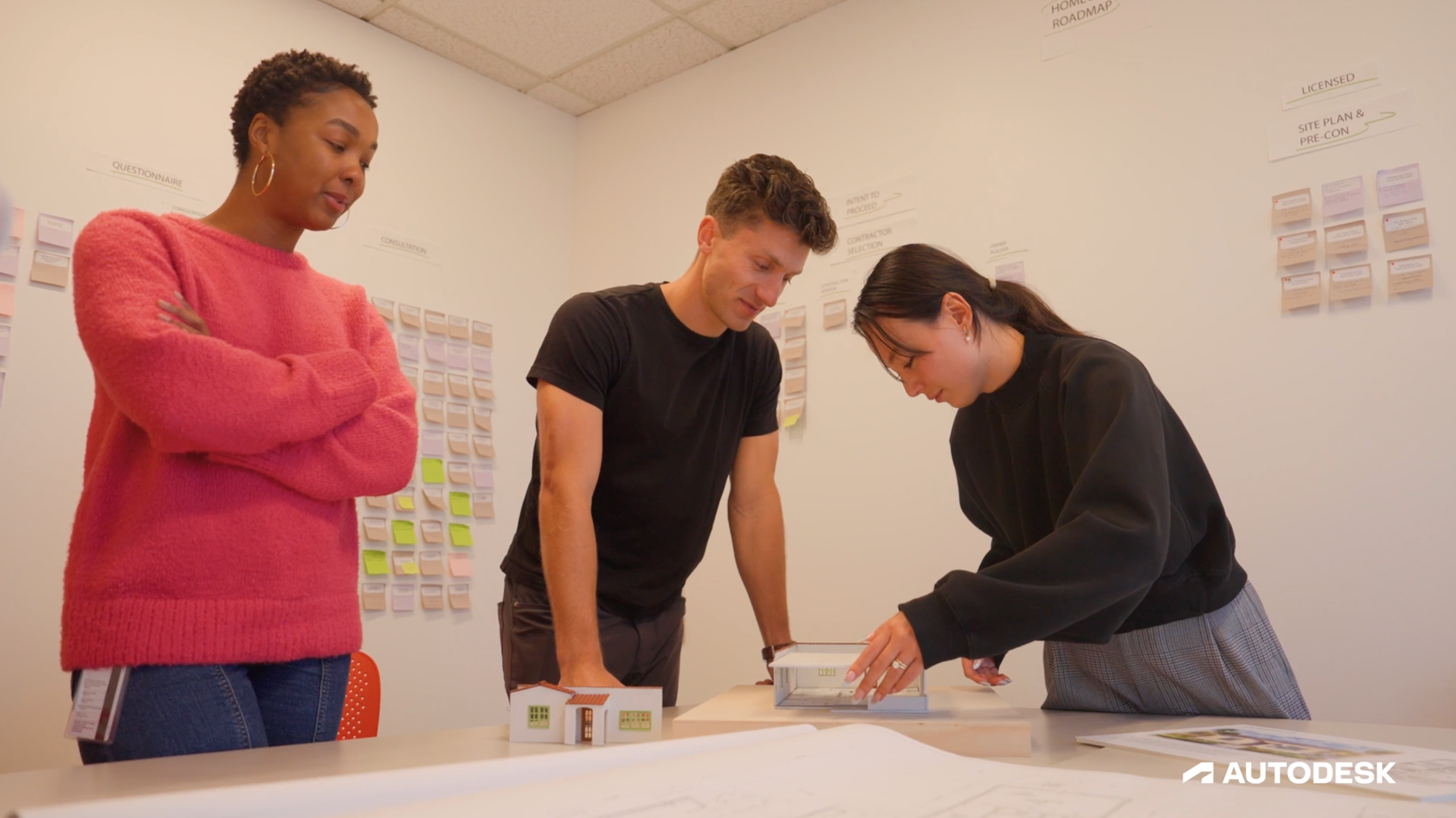
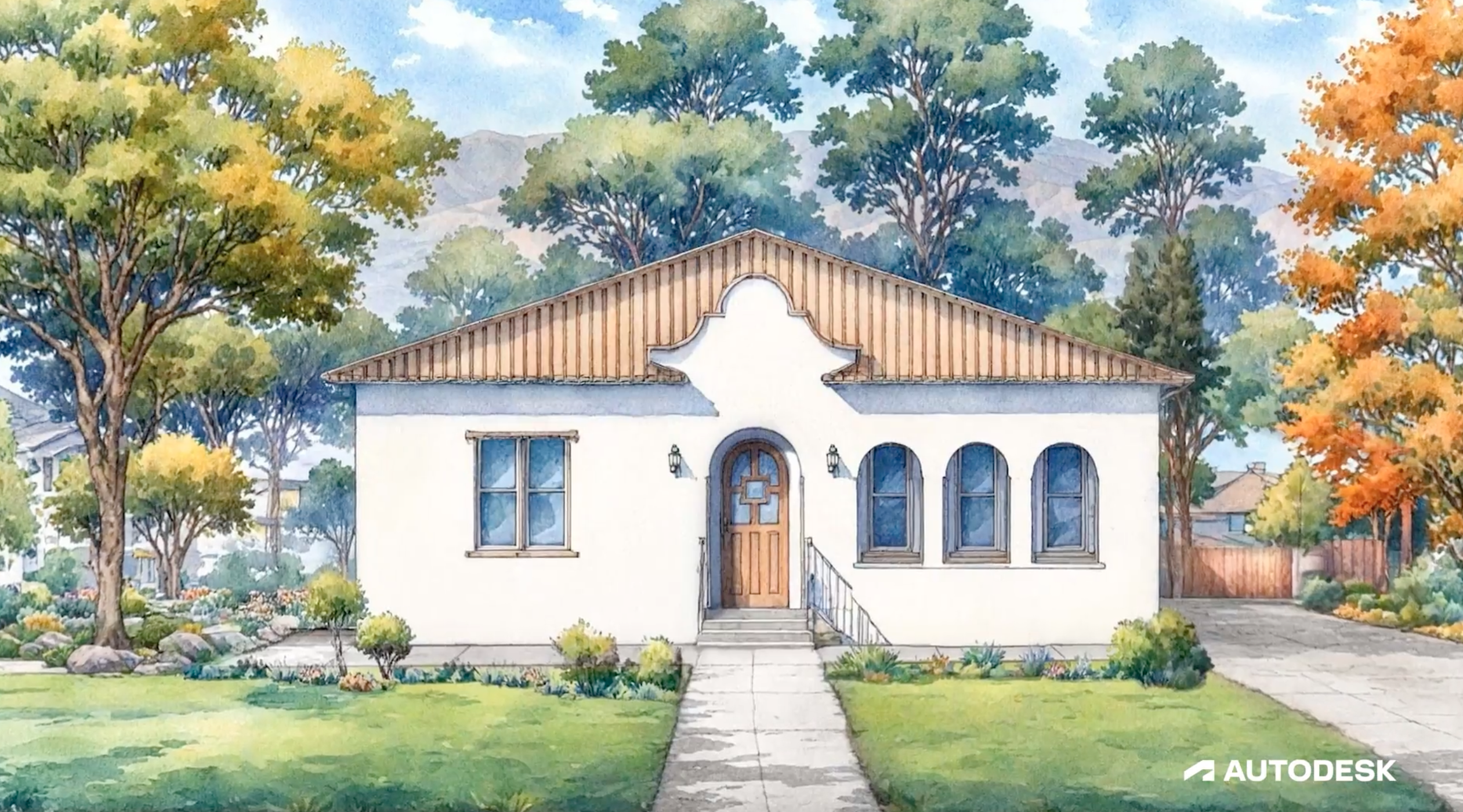
The Lewis stood framed against the Altadena sky as we surveyed the first Foothill Catalog construction site nearing completion on March 5, its structure taking shape exactly as it appeared in our catalog renderings months earlier.Across Altadena, families were pacing lots where their future homes will soon rise. Cal Poly Pomona architecture students were hard at work volunteering on the latest Habitat for Humanity build site. The catalog designs we had developed as line drawings pinned to living room walls had transformed into lumber, concrete foundations, and the steady rhythm of construction crews at work.
Rebuilding at pace in a region under pressure
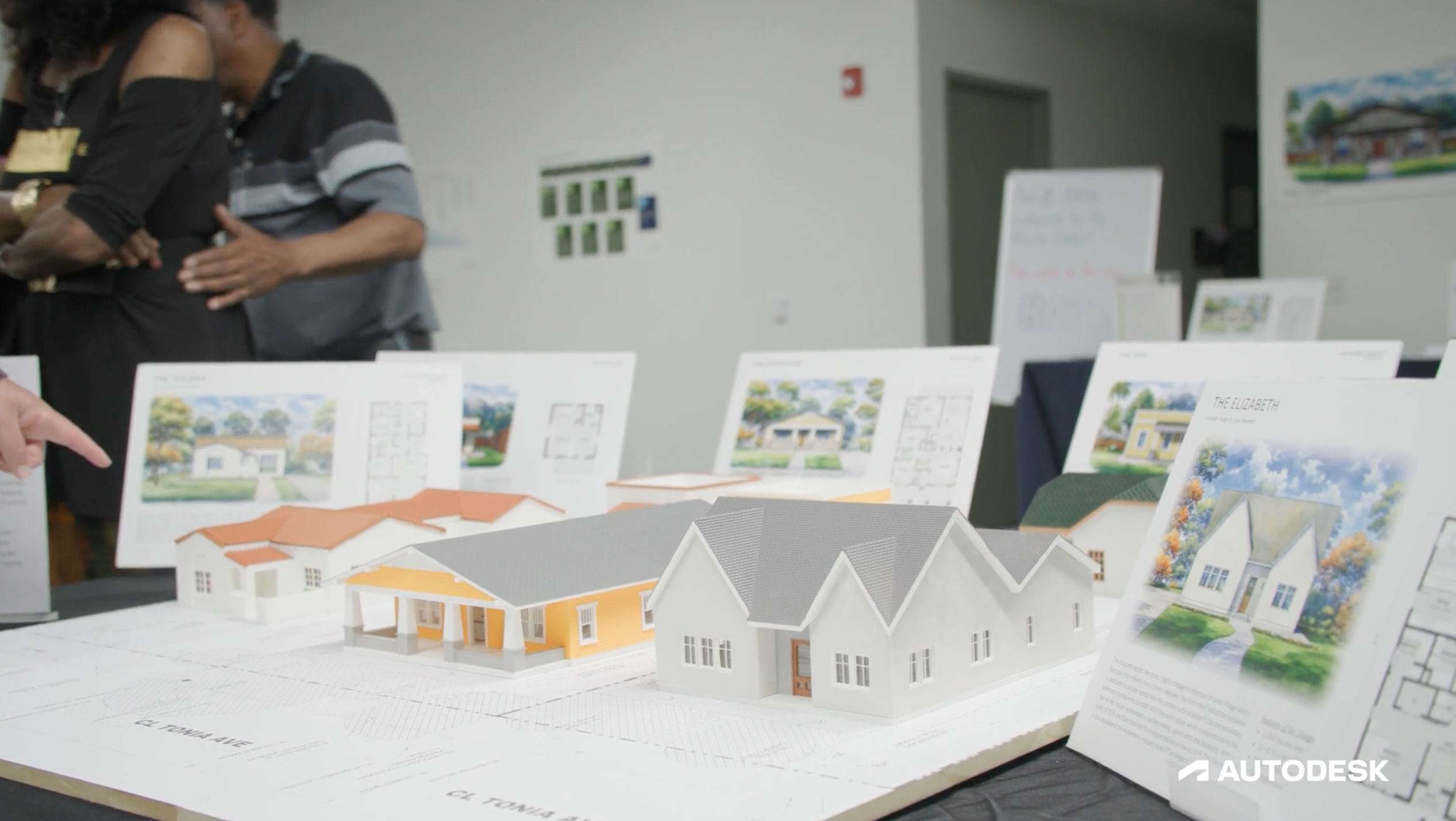
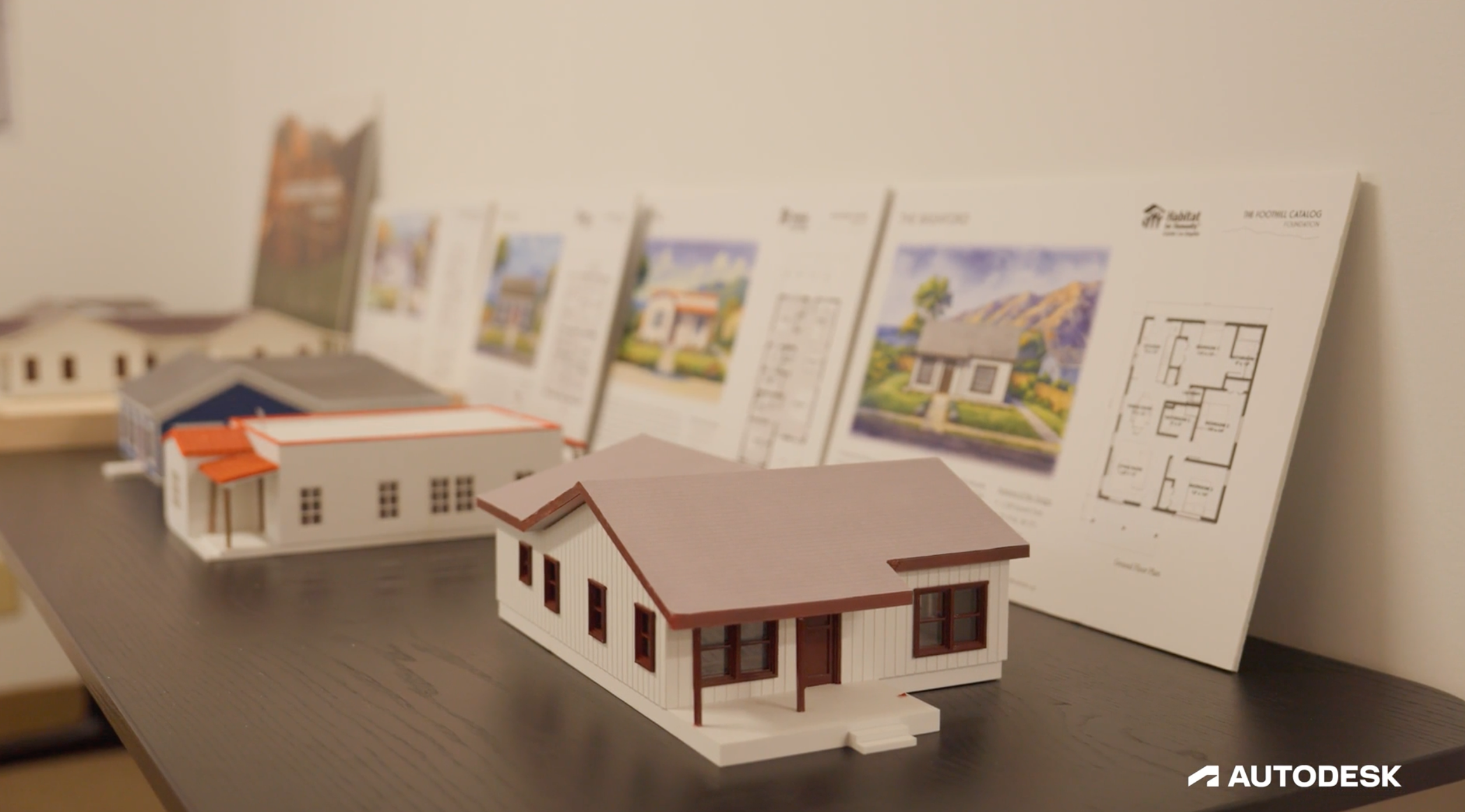
Across Los Angeles County, more than 2,600 residential permits have been issued between the Pacific Palisades and Altadena since the January 2025 fires, representing roughly one permit for every five of the nearly 13,000 homes lost. According to a McKinsey analysis, Los Angeles would need to sustain an average peak rebuilding rate of 160 homes completed per month for roughly two years to rebuild half of the homes destroyed. The first Foothill Catalog home, the Lewis model built for the Wood family in partnership with Habitat for Humanity San Gabriel Valley, represents the beginning of a growing movement that cannot be fully understood through statistics alone. Standing on that site in early March, we could see proof of what happens when design clarity meets coordinated execution. The Foothill Catalog has now grown to contain over fifty pre-approved designs. Site-specific permitting is accelerating as many of them are immediately put to use with Altadena families. A collection of model homes will soon showcase the architectural variety that defines Altadena: the Elizabeth, a Tudor-style design; the Lexington, a three-bedroom craftsman; La Solana, a Spanish revival. Each one built to Very High Fire Hazard Severity Zone standards, all-electric, and designed to be both affordable and replicable.
Connecting technology to decision-making
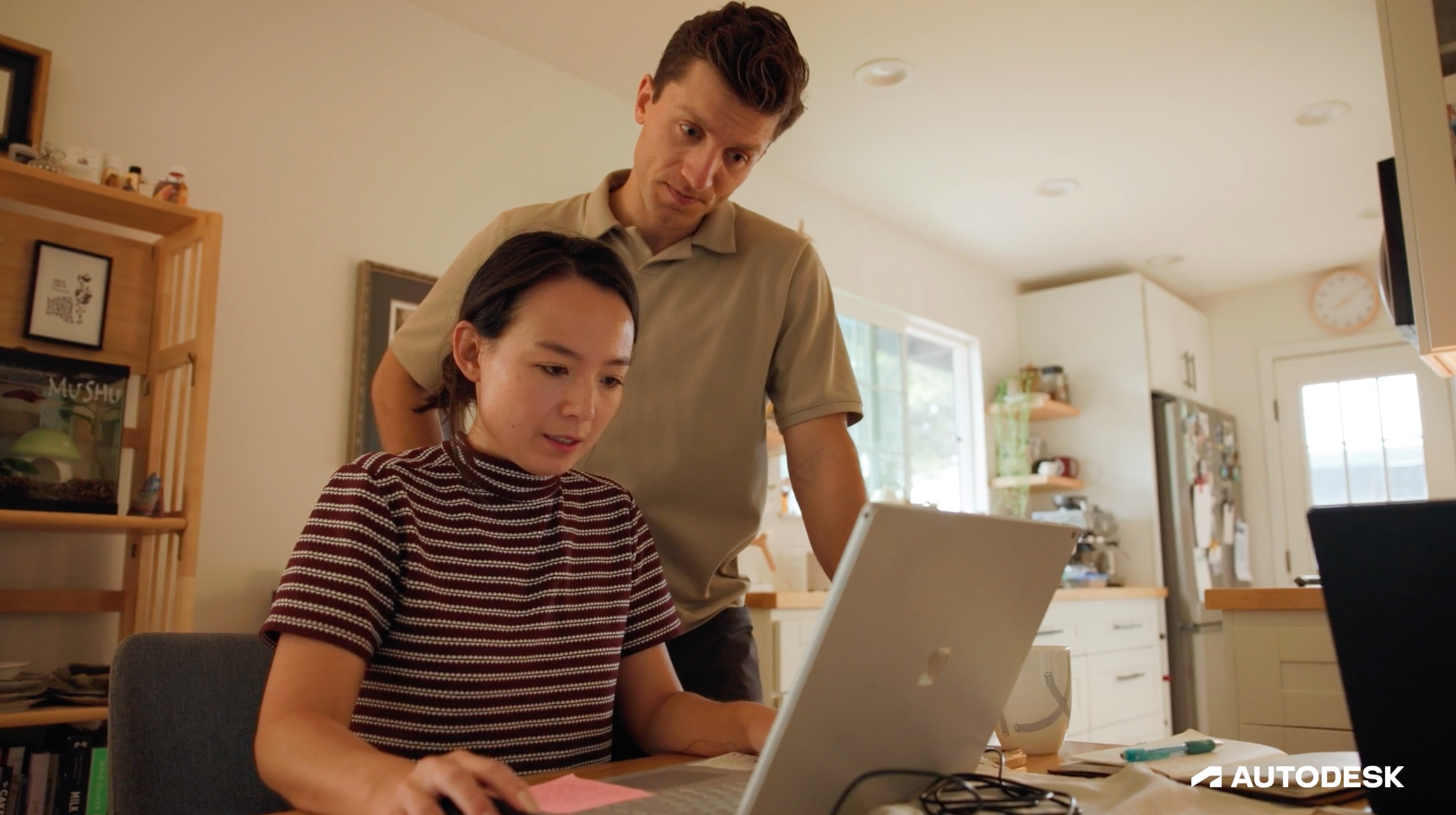
In the Foothill Catalog office that morning, homeowners were using extended reality (XR) walkthroughs powered by Autodesk Workshop XR to experience their future homes before breaking ground. Architectural drawings communicate structure and layout, but standing in a virtual kitchen where light moves across the counter, where you can sense how your family will move through the space, transforms an abstract plan into tangible reality. This technology, recently highlighted in Architectural Digest’s February 2026 feature on grassroots Los Angeles recovery efforts, addresses a fundamental challenge: most people don’t read buildings the way architects do. The gap between what appears on a blueprint and what someone experiences in their home creates hesitation, questions, and delays. Extended reality walkthroughs help collapse that distance. Autodesk’s role centers on strategic coordination rather than software delivery alone. Autodesk has connected the Foothill Catalog with technical experts across our organization, partnerships that strengthen planning, permitting and rebuilding efforts, and provided the technology solutions that allow dozens of volunteer architects working across different locations to collaborate inside a unified digital environment. For Autodesk, the engagement combines immediate community support with longer-term learning. What the Foothill Catalog is building, the system they’re creating around catalog designs and coordinated workflows, has potential application for disaster recovery globally. We’re studying how this model handles permitting velocity, how XR accelerates homeowner confidence, and how pre-approved designs compress timeline uncertainty. The technology serves the mission. The mission always leads.
Accelerating recovery through design efficiency
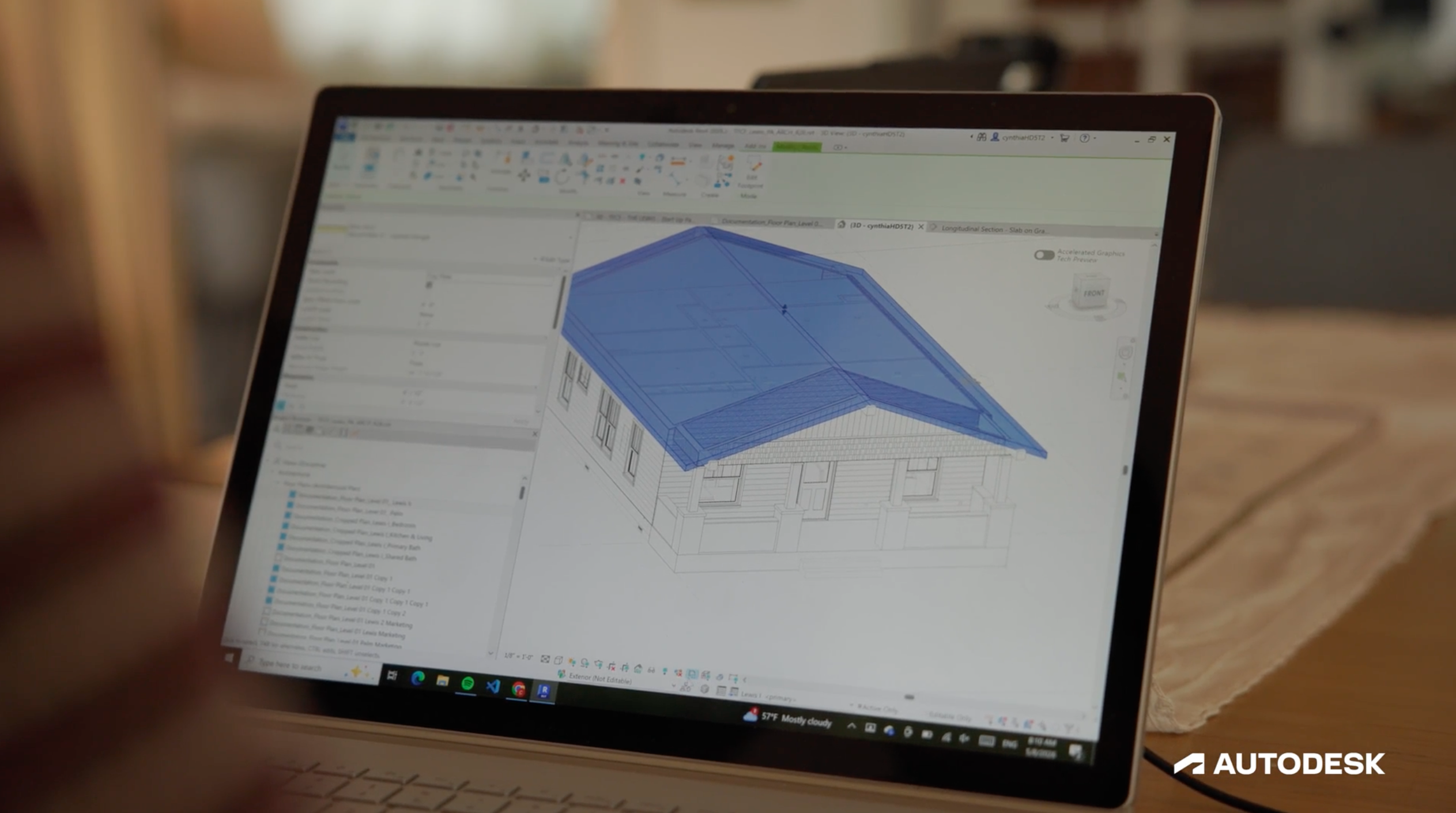
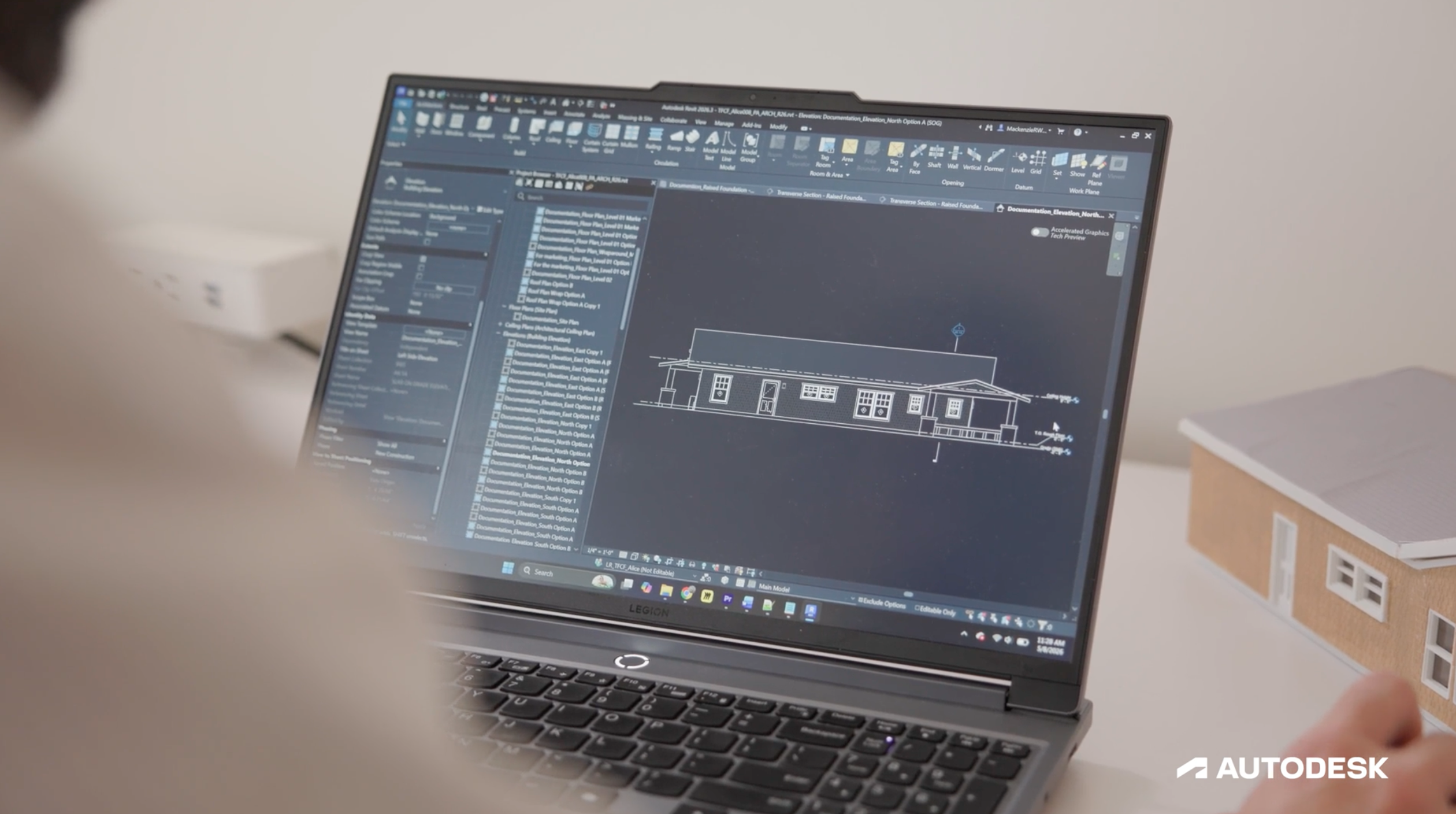
The impact of pre-approved designs combined with coordinated digital workflows is most evident in permitting timelines. Permitting reviews that can traditionally stretch for months are now being streamlined, with eligible rebuild applications moving through local review in a matter of weeks. That compression, replicated across dozens of designs, changes recovery calculus. Traditional custom home design can take nine to twelve months before permits are submitted. Permitting itself typically requires at least another six months of review cycles. Pre-approved plans collapse at both stages. Families can move directly to contractor selection and site preparation rather than spending years navigating design and approval processes. Autodesk’s contribution to this acceleration operates on three levels. First, our software enables volunteer architects scattered across different firms and cities to work inside the same Revit models, maintaining design consistency while distributing workload. Second, our Forma Data Management allows real-time collaboration between architects, structural engineers, and permitting consultants, reducing the version of control chaos that typically adds weeks to multi-party projects. Third, we are extending this work by connecting Foothill Catalog with partners who are supporting the development of neighborhood maps and community dashboards that can give residents, planners, and recovery partners a clearer view of rebuilding progress and community needs. Beyond the technical, Autodesk continues to expand our organizational support. We’ve deepened our investment in the Foothill Catalog’s operational capacity, providing resources that allow the foundation to scale from early-stage concept to sustained program delivery. This support extends across software access for their growing network of volunteer designers, technical training for staff managing increasingly complex digital workflows, and strategic connections to construction firms, material suppliers, and philanthropic partners who can accelerate various dimensions of the rebuilding process. The result: a system where technology helps reduce friction at every handoff point. Designs move smoothly from concept to permit to construction, helping to avoid the communication breakdowns that normally slow recovery efforts.
Scale, visibility, and what comes next
As we move deeper into 2026, this work will expand across multiple tracks. Construction continues on dozens of homes, including model homes that will serve as physical references for families still evaluating their options. Additional catalog designs are entering the pre-approval pipeline. We’re exploring how Autodesk’s emerging AI capabilities can help automate code compliance checking across the hundreds of local regulations that govern residential construction in Los Angeles County, the average permit processing time from application to issuance still represents friction that technology can help reduce. Autodesk is also testing how Forma, the AECO industry cloud, can create unified digital workspaces where architects, builders, and permitting officials collaborate on the same project files in real time, reducing the version control chaos that typically slows multi-party coordination. Early pilots suggest that bringing all project documentation, 3D models, markup tools, and communication threads into a single environment can cut review cycles significantly. But technology acceleration only matters if it serves families returning home. The tangible measures remain simple: permits issued, foundations poured, walls framed, families moving in. When we stood on those construction sites in March, we saw frameworks rising where burned lots had sat empty for over a year. We saw a system becoming operational under conditions of real pressure, real constraint, and real emotional weight. Collaboration and partnership have defined this recovery from its earliest days. Autodesk brought resources, strategic connections, and technical infrastructure. The Foothill Catalog brought community trust, design clarity, and the operational determination to turn concept into built reality. Together, we’re demonstrating that recovery can move faster when design systems are pre-built, when technology reduces friction rather than adding complexity, and when partnership models distribute responsibility across organizations with complementary capabilities. The foundations we’re building in Los Angeles are both literal and systemic: homes for families, and frameworks for how communities globally might rebuild after the next disaster.
Follow the journey
The complete rebuild lifecycle, from our March site visit through design development, permitting, and construction, is documented in Rediscovering Home–A Story of Altadena, a new Autodesk.com video series. The first two episodes are now available, with more episodes to come. The series follows families, architects, and builders as they navigate the catalog model in practice, showing how pre-approved designs translate from digital files to physical homes.To learn more about the Foothill Catalog Foundation and follow their progress, visit foothillcatalog.org. For more on Autodesk’s work in disaster recovery and resilient design, explore our AEC solutions at autodesk.com/aec.