- Three-time U.S. Paralympic medalist, founder, and lifelong maker, Mike Schultz, is retiring from para snowboarding following his final competition in Cortina to focus full time on advancing innovation in high-performance prosthetics.
- Together with Autodesk, Schultz and his company BioDapt, are setting their sights on summer 2028—working to reimagine next-generation prosthetics for a broader community of para athletes.
- Ahead of his final competition in Cortina, Autodesk worked with Schultz to bring his legacy designs into Autodesk Fusion, refining key components of his own competition gear and that of fellow athletes.
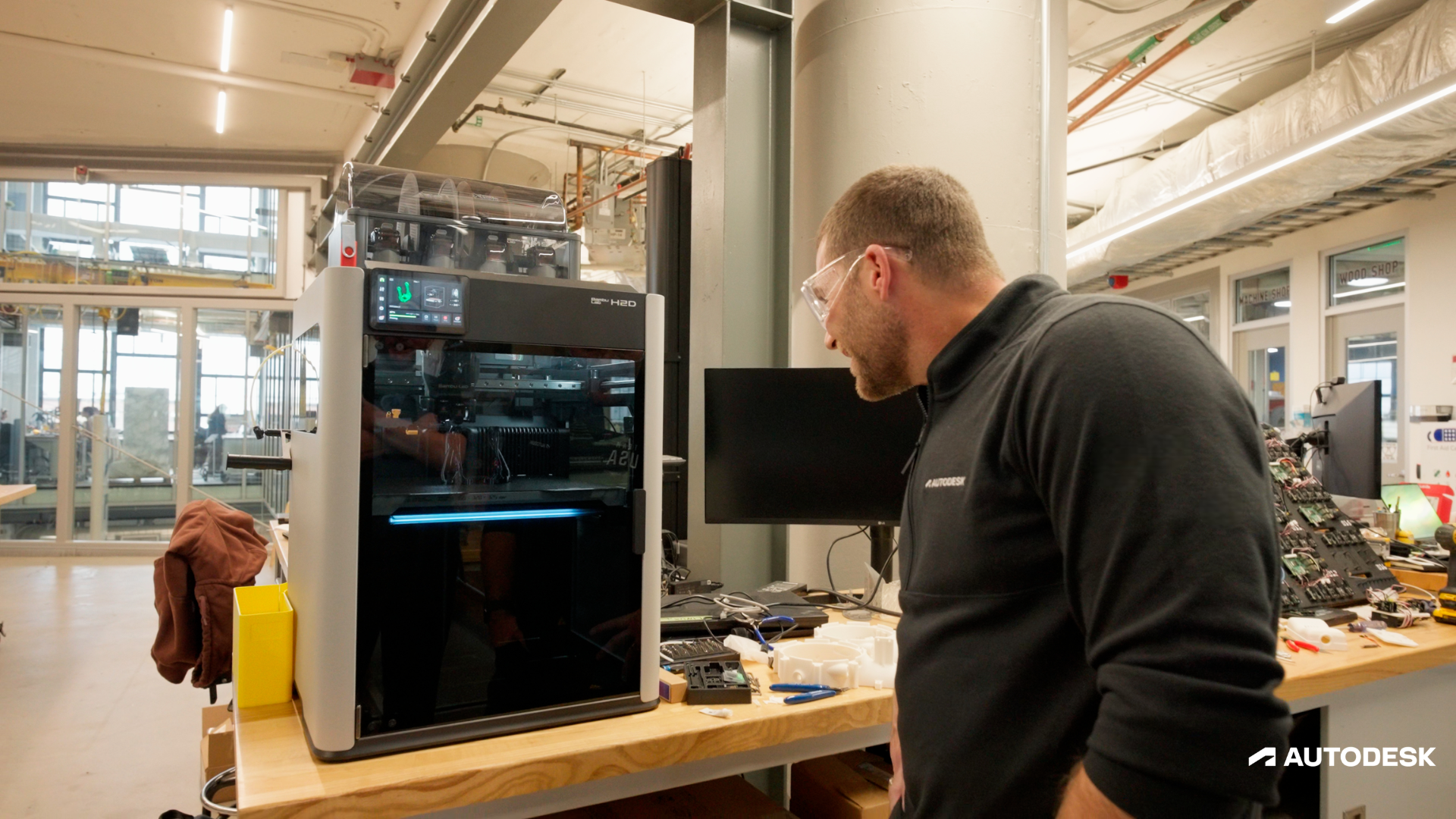
Mike Schultz at the Autodesk Boston Tech Center.
Following his final competition in Cortina next month, three-time U.S. Paralympic medalist, designer and maker, and CEO & founder of BioDapt, Mike Schultz, is retiring from competitive para snowboarding. Today, Autodesk is announcing a partnership with BioDapt to advance the next generation of high-performance prosthetics for para athletes preparing to compete in Los Angeles in 2028 and beyond. The partnership will build on months of technical collaboration between Autodesk and Schultz in Fusion—Autodesk’s AI-powered industry cloud for manufacturing—to redesign and refine key components of his competitive prosthetic systems. Now, as Schultz transitions fully into his role as founder and CEO of BioDapt, the collaboration will help BioDapt scale toward broader innovation across winter and summer para sports. The implications extend well beyond elite competition. According to the World Health Organization, more than 2.5 billion people worldwide require one or more assistive products, yet access can be as low as 3% in some countries. While BioDapt’s focus begins in high-performance sport, the underlying challenge is fundamentally a design and manufacturing one: how to build complex, high-performing products that are durable, repeatable, and scalable for more people. The same advances in design efficiency, manufacturability, and data continuity that support para athletes on a start line are the same capabilities Autodesk helps manufacturers apply across industries—from medical devices to advanced equipment powering industrial machinery, building product fabrication, and next-generation consumer products—to improve reliability, reduce cost, and expand access at scale.
From athlete to full-time maker
Schultz’s career has always balanced two identities: super athlete and maker. After losing his leg in a 2008 snowmobile accident, he designed and built his own prosthetic leg capable of withstanding competitive snowboarding. In 2010, he founded BioDapt, which today supports approximately 90% of lower-limb athletes globally competing in Para Snowboard World Cup events and at other international competitions—with about 25 athletes expected to compete in Cortina wearing equipment Schultz developed. As technology advances, the opportunity to further optimize prosthetic equipment for elite competition continues to expand. That evolution raises the bar—requiring repeatable builds, durability, repairability, and consistent performance across travel, training, and changing conditions.
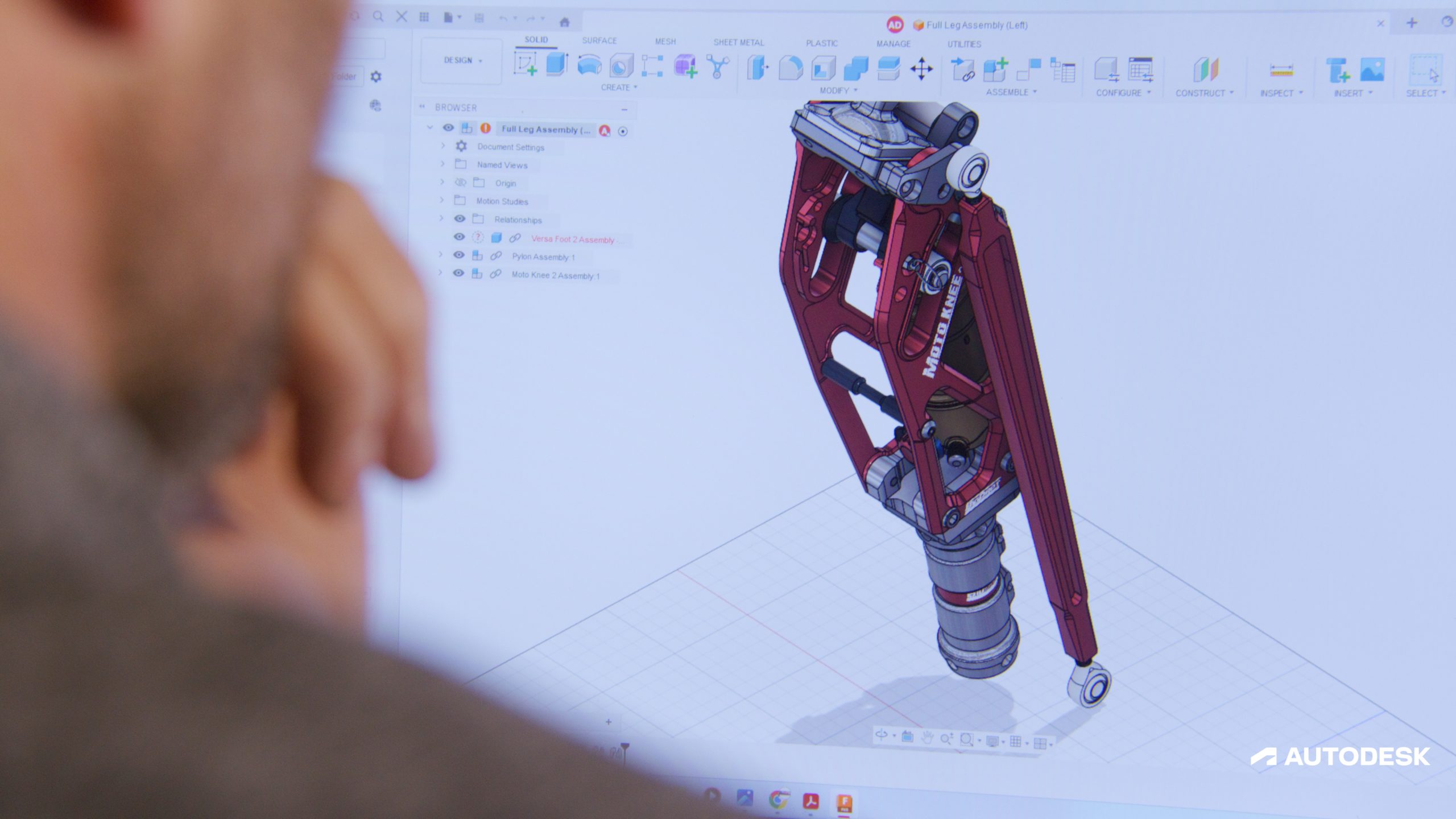
Mike Schultz designing in Fusion.
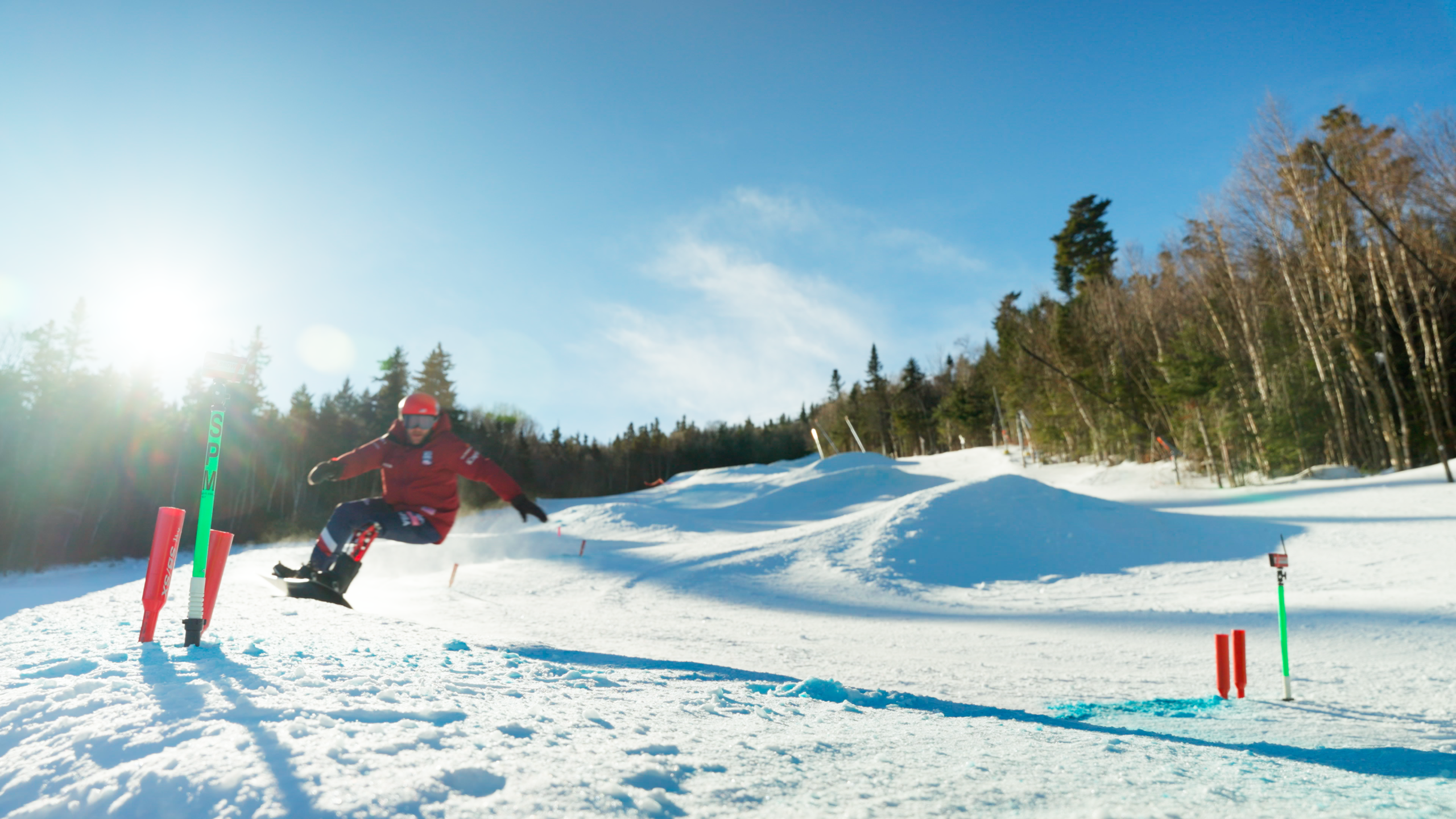
Mike Schultz.
Advancing prosthetic design with Autodesk Fusion
Ahead of his final competition, Schultz worked with Autodesk Research and Autodesk’s Fusion teams to consolidate years of prosthetic development and legacy CAD models into Autodesk Fusion, establishing a centralized Fusion Hub: a cloud-connected source of truth for BioDapt’s designs. The team prioritized improvements to Schultz’s ankle frame and binding brace, optimizing for performance and durability in cold conditions by increasing stiffness without extending 3D print time, and adding hole patterns so one part fits multiple BioDapt leg models—reducing the need to run separate versions. Using Fusion’s integrated design, simulation, and design-for-manufacture workflows, Schultz was able to iterate quickly while traveling between training sessions and competition. The redesign resulted in improved durability during training, with no component failures since the updates—a critical advancement for parts that absorb repeated impact. Through this winter’s competition season, Schultz competed with increased confidence in the reliability and structural integrity of his prosthetic leg—a meaningful outcome in a sport where equipment performance directly influences safety and results.
Looking ahead
With his focus now fully on innovation in para sports, Schultz and Autodesk have their eye on helping para athletes train to compete in Los Angeles in 2028 and beyond.
Future areas of exploration could include:
- Advanced ankle-frame concepts using metal 3D printing
- Integration of motion capture and embedded sensor data to better analyze force transfer and fatigue
- Using AI-powered tools in Autodesk Fusion to suggest and evaluate design improvements automatically—helping Mike adapt his prosthetics as training demands change.
“I’ve always had two sides to my career—competing and building,” said Mike Schultz. “For years, I’ve pushed myself to be the best athlete I could be, while spending countless hours refining the gear that makes that performance possible. As I step away from competition, I’m excited to take everything I’ve learned and apply it to helping the next generation of athletes go even further. Working with Autodesk has already helped us better understand how forces transfer, where materials fatigue, and how small design changes can make a measurable difference—not just for one athlete, but for many. And we’re just getting started.” “Mike has the rigorous mindset of an elite athlete and an engineer,” said Jeff Kinder, executive vice president of Design and Manufacturing at Autodesk. “With Autodesk Fusion, we’ve brought together design and make in a single, cloud-based platform—connecting teams, data, and workflows while leveraging AI to accelerate development from concept through production. This integrated approach creates a repeatable model for high-performance prosthetic innovation for any athlete.”
Follow the journey
Schultz’s transition from competitor to full-time innovator is documented in Built to Move, a three-part docuseries co-produced with TFA Group and launching March 6, 2026, on Autodesk.com.